

Financial management proves difficult for HVAC companies since both workload fluctuations and seasonal changes, hvac bookkeeping and multiple expenses create avoidable difficulties. Fred Silberstein, a CPA and president of SF&P Advisors, specializes in serving the HVAC industry. From his years of experience with contractors, he has seen the same problems crop up again and again. One of the most common issues Silberstein deals with is contractors who are not consistent with their accounting practices. He explained that there are two ways to keep track of accounts — on a cash basis or an accrual basis. DiDomenico also recommended that contractors purchase and implement software that integrates the accounting system with the company’s other business operations.
Capture your invoices and receipts using an expense management software
It helps HVAC contractors make data-driven decisions, reduce financial risks, and maximize profit margins by identifying areas where expenses can be optimized. HVAC businesses that invest in accounting software expand operational efficiency alongside improved financial accuracy. The automated capabilities enable the reduction of paperwork and better recording systems, which save operational hours. Your business will find maximum financial management efficiency by choosing a software system that suits your type and requirements. The integration of a solution produces long-term growth benefits together with operational efficiency improvements. AI-powered intelligence systems assist HVAC businesses in predicting expenses and developing optimal budgets, and processing invoices Retained Earnings on Balance Sheet through automated systems.
Choosing the Right Software Tools
Whether you want to streamline your in-house bookkeeping with QuickBooks accounting software or outsource your bookkeeping entirely to us, we would love to work with you. A well-designed HVAC company bookkeeping numbering system is the foundation of financial success in the heating and cooling industry. The complexities of seasonal demand, equipment-intensive operations, and project-based work require sophisticated financial tracking that generic accounting systems simply cannot provide. Job costing represents the heart of HVAC financial management, and your bookkeeping numbering system must seamlessly integrate with this critical function. During peak cooling season, your revenue might triple, but so do your overtime costs and emergency service expenses.
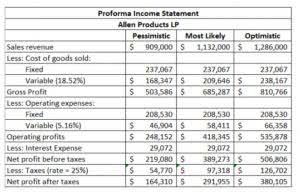
- Balance sheets are a great way to take a snapshot of your HVAC company’s financial statements.
- With proper tracking of the services provided, an HVAC company can ensure it invoices correctly and promptly.
- Our certified bookkeeping professionals will analyze your current system and provide a customized implementation plan tailored to your HVAC business needs.
- Jobber is a simple HVAC accounting and bookkeeping software with nominal price that makes it ideal for small businesses firms.
- Add the above tips to your regular operating procedures to level up accounting at your HVAC business.
- Conduct quarterly reviews to assess financial health and make necessary adjustments.
HVAC Bookkeeping Software and Tools
Investors, together with lenders, favor businesses that present both organized records and clear financial reporting. You make decisions based on real data, allowing you to invest in growth with confidence. You can finally escape the paperwork that burns out so many business owners and focus on what you’re passionate about—solving problems for your customers. At Contractor In Charge, we combine technology with deep industry knowledge.

Making the Right Choice for Your HVAC Business
Billing mistakes that can haunt your business get eliminated with the integration of digital work orders that create invoices within QuickBooks. If you give your technicians credit cards to purchase fuel while they work out in the field, you could be writing a blank check for them to cash in at their leisure. Read through it thoroughly so that you understand how to operate the software. One copy should be stored locally, and another copy should be uploaded to cloud storage services such as Dropbox. Several factors need to be considered when choosing accounting software for the HVACs business.
Essential Traits Of Reliable HVAC Accounting Software
Just as it’s wise to build an emergency fund for unforeseen personal expenses, like car repairs or sudden loss of income, your HVAC business needs an emergency fund. (And yes, they should be separate funds. Refer back to tip 2.) Like HVAC business insurance, you want it to be there when you need it. Overhead expenses like office rent, administrative staff, and marketing need to be tracked separately but considered in your overall pricing strategy. Your financial system should help you price your services in a way that keeps you profitable even after paying your overhead. Reconcile bank accounts regularly to catch any discrepancies, and maintain proper separation of duties so no single person controls every aspect of cash handling. At Whyte CPA PC, we don’t just “do your books”—we implement comprehensive bookkeeping systems designed specifically for HVAC businesses.
- Implementing a new HVAC company bookkeeping numbering system requires careful planning and systematic execution.
- We also provide accounting software that can help you manage your business more efficiently.
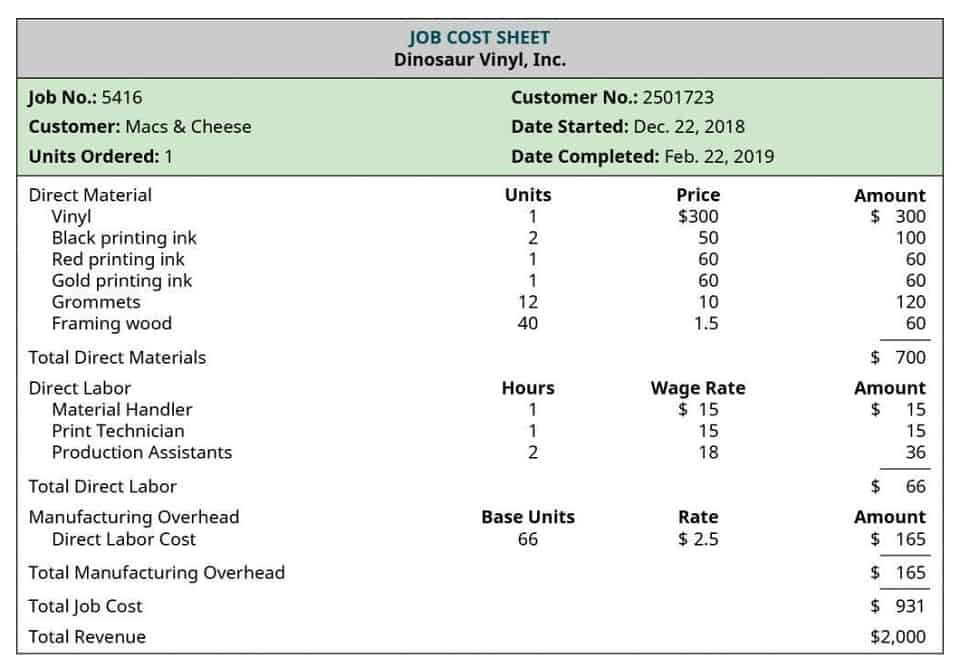
- Always include specific details such as labor hours, materials used, and applicable taxes.
- We bring advanced processes to provide deeper insights into job costing and profitability that a generalist may not see.
- The purpose of accounting software, often known as bookkeeping software, is to record and manage business transactions in the HVAC business.
- The bookkeeper handles the complex and time-consuming task of managing finances, providing owners with peace of mind.

Long-term in this instance would be spanning multiple months of financial statements. As mentioned previously, the nature of most HVAC work is installation of Heating/AC units and overall maintenance of these units and the system at large; these are typically done over a short time period. Import data from your existing accounting software and seamlessly export invoices from https://richithconsultancyservice.com/working-capital-ratio-meaning-formula-components-2/ completed work orders, jobs, and service contracts.
The #1 trusted source for the HVACR industry since 1926
Our award-winning, cloud-based platform is trusted by more than 100,000+ contractors across the country. Heating, ventilation, and air conditioning (HVAC) businesses operate in a complex and competitive industry. Proper accounting practices play a pivotal role in helping HVAC companies maintain financial health, make informed decisions, and plan for growth. Whether you’re a seasoned HVAC business owner or just starting, understanding these key accounting concepts is crucial. HVAC businesses often need flexible payroll systems that can handle both regular staff and seasonal HVAC contractors.
This will help you stay organized and ensure that you are able to track your finances. A ledger is a great way to do this, as it provides a clear and up-to-date record of all your transactions. If you’re not using HVAC software to manage your work orders and generate invoices, now is the time to start.